


An English guide to the
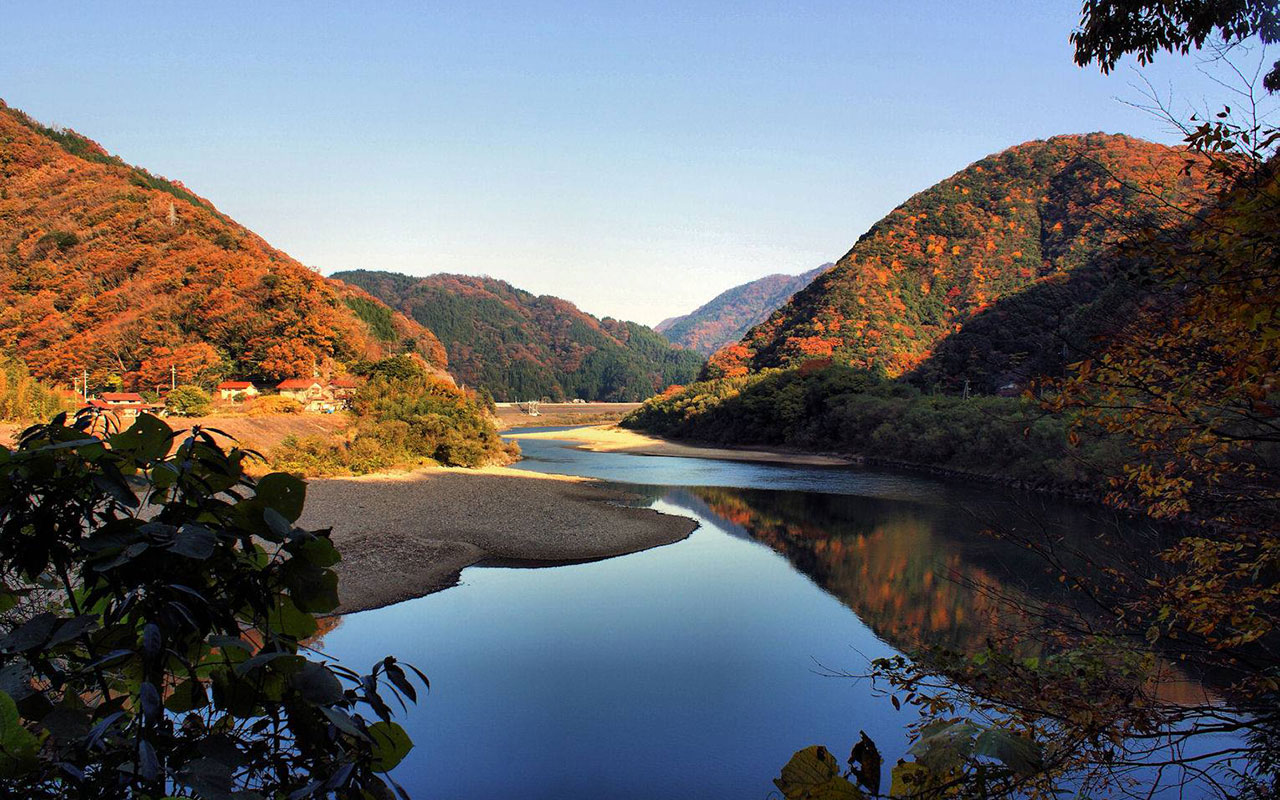
beautiful Iwami region of JapanIwami is in the western part of Shimane, a rural prefecture on the Sea of Japan,
geographically remote from the larger cities, and cut off from the nearest major city
of Hiroshima by the Chugoku mountain range. This is old, rural Japan.

Experience
From noodle making, traditional weaving, throwing pottery, rice planting, or risking your life on a wild boar hunt.
- Crafts and cooking (5)
- Driving (3)
- Festivals (6)
- Hot Springs (17)
- Kagura (2)
- Museums (20)
- Skiing (2)
- Surfing (1)
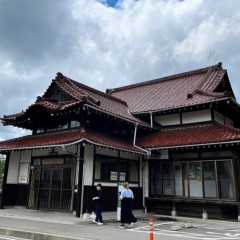
- Iwami Silver Mine Museum The museum was built as a local government office in the Meiji era (1902). It's a large traditional house and exhibi...(read more)
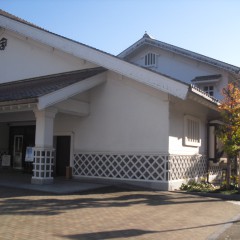
- Hamada Castle Museum Hamada Castle Museum introduces the history of the castle and the nearby port of Tonoura, which is recognized as a Japan...(read more)
- Anno Mitsumasa Museum Anno Mitsumasa Museum安野光雅美術館 Tsuwano is a must-see on any vacation in the Iwami region in Japan. This 'little...(read more)
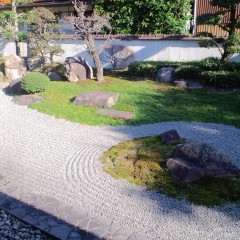
- Morijuku Museum Tsuwano is a must-see on any visit to the Iwami region in Japan. This ' little Kyoto'...(read more)
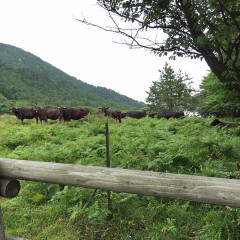
- Driving in Ohda You'll love driving in nature around Mt. Sanbe. You can relax here.In summer, the green of plants and mountain...(read more)
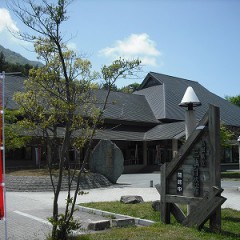
- SAHIMEL The Shimane Nature Museum of Mt. Sanbe “SAHIMEL” How many people know which is the highest mountain in Sh...(read more)
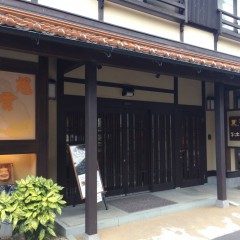
- Kiunsou At night, Yunotsu looks like something straight out of Studio Ghibli's 'Spirited Away.' Traditional inns and...(read more)
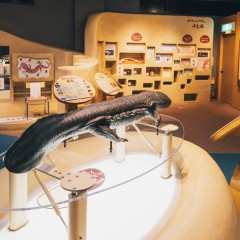
- Hanzake Nature Museum of Mizuho Hanzake Nature Museum of Mizuho,is in Ohnan-cho Ochi-gun, Shimane prefecture, Japan. It is dedicated to the giant ...(read more)
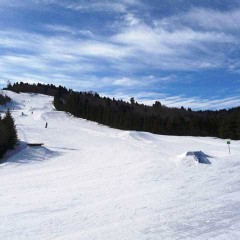
- Mizuho Highland Mizuho Highland is the biggest ski slope in the west part of Japan. You can enjoy a variety of ski courses from begin...(read more)
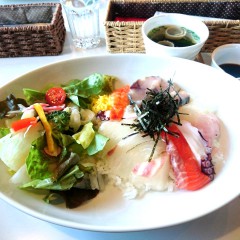
- Restaurany Pony Restaurant Pony is in Grand Toit, the largest museumin Masuda. You can enjoy delicious foods made with fresh loca...(read more)
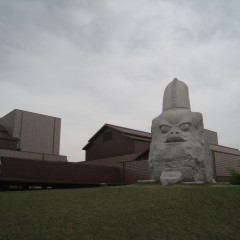
- Grand Toit Grand Toit is the compound institution; museum and theater. In Iwami Art Museum, you can enjoy many kinds of Art at 4 ex...(read more)
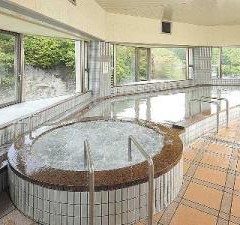
- Hot spring in Kanagi city There are many hot springs in Shimane prefecture. Here I will introduce two hot spring resorts. Kintanosato (きんたの里) T...(read more)
Restaurant & Cafe
Everything from freshly caught seafood to organic buffets, freshly ground coffee, and wild boar meat.

- Ichiban-Kan Ichiban-Kan is located near Gotsu station. You can take a train to Gostu station. From the station, you can go there on ...(read more)
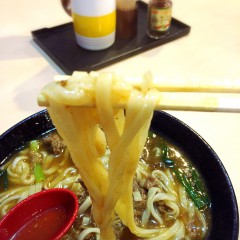
- Tsurube (Udon restaurant) A visit to the Iwami region of Shimane should include some local cuisine. Japan is famed for its delicious food, and Tsu...(read more)
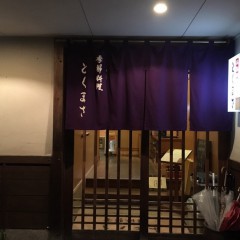
- Tokumasa A visit to the Iwami region of Shimane should include some local cuisine. Japan is famed for its delicious food,...(read more)

- Sanbe burger Ohda city is famous for its nature, which can be found in abundance at nearby Mt. Sanbe. In Ohda city, very ...(read more)

- Cafe Kureha No trip to Japan is complete without sampling the local cuisine. Plenty of little restaurants in the Iwami region ...(read more)
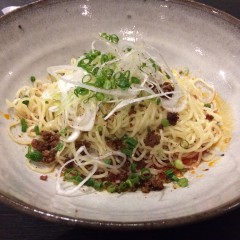
- Kara kara noodles This is Tantanmen or spicy noodles from Kara Kara, a restaurant in Hamada, located five-minutes on foot from t...(read more)
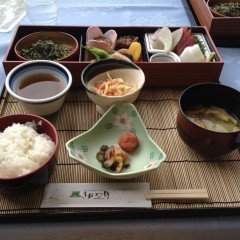
- Un-kai "雲海 ( Un-Kai ) " is the restaurant in the さひめ野 ( Sahimeno ) which is kind of hotel. We can come here just e...(read more)
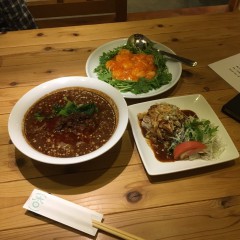
- Chinese Cooking Karamomo When you come to Iwami, you can also enjoy other Asian cuisine. Karamomo is a delicious Chinese restaurant in Hamada, wh...(read more)
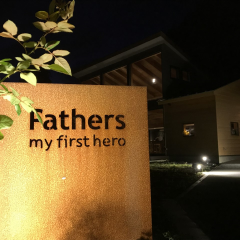
- Fathers my first hero Fathers is located on a leafy hilltop, at the top of a long steep slope. It’s a little difficult to find so please...(read more)
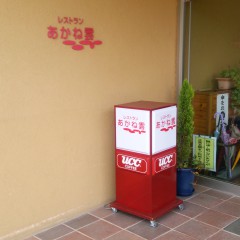
- Akanegumo No trip to Japan is complete without sampling the local cuisine. Plenty of little restaurants in the Iwami region have p...(read more)
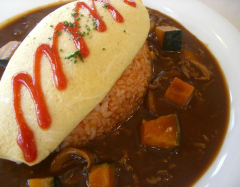
- Cafes in Hamada Cafe Michele Hamadahas lots of good places to eat such as cafésor restaurants. “Café Mi...(read more)

Scenery
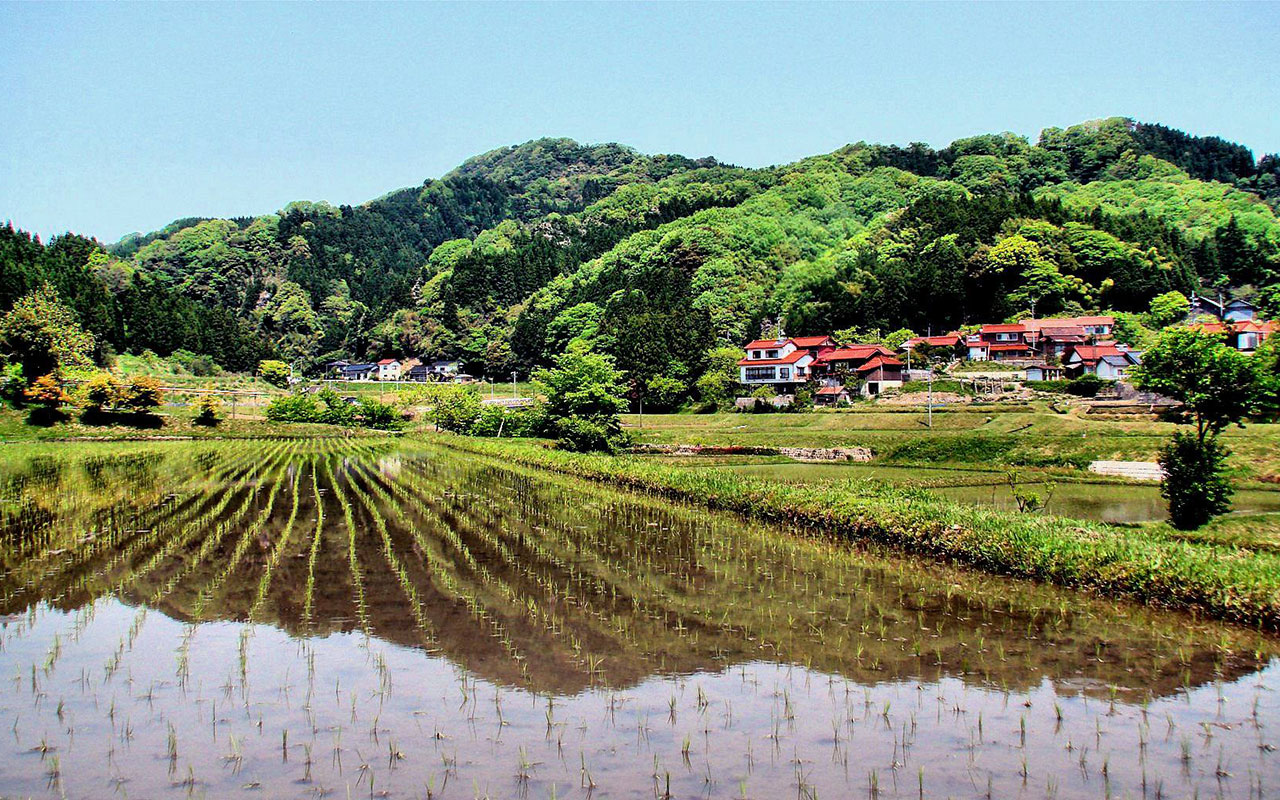
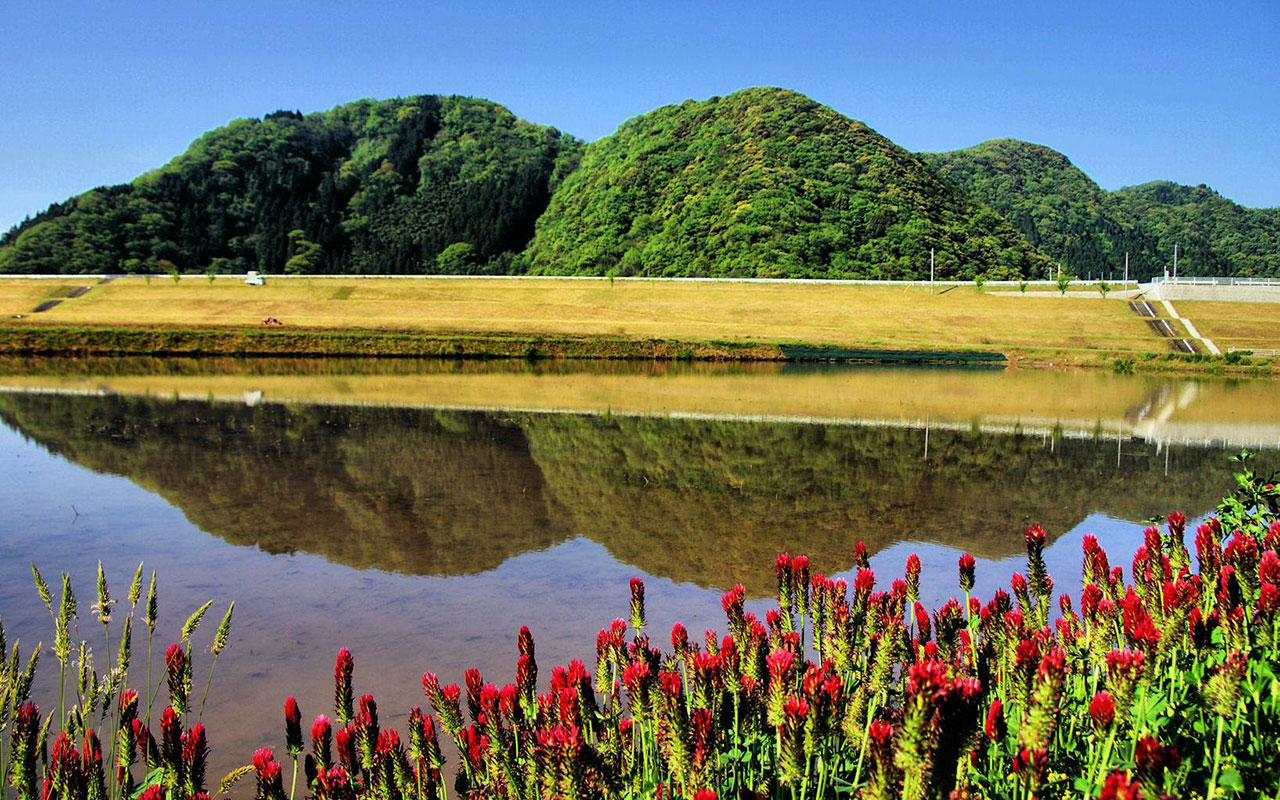
Hike the Chugoku mountain trail, see ancient temples, enjoy green tea in a traditional garden, or photograph terraced rice paddies.
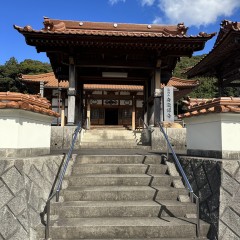
- Ganryuji Temple (Iwami 33 Temple Pilgrimage) History of Ganryuji Temple About 1,200 years ago, during the Daido period (806~810), Kobo Daishi Kukai founded the near...(read more)
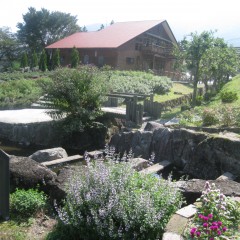
- European Herb Garden In Koboku no mori, there is an herb garden. Depending on the season, you can enjoy different kinds of herbs. &nbs...(read more)
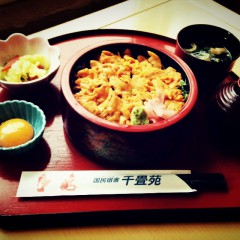
- Senjouen In Hamada, just by the sea, there is a really cool hotel called Senjouen (千畳苑). The best thing about this place is that ...(read more)
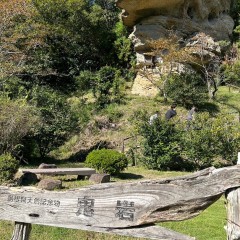
- Hidden Gem in Iwami Region In one corner of peaceful Oda City, you’ll find a hidden gem: Oni-Iwa Rock. Away from the noise of busy town, this...(read more)
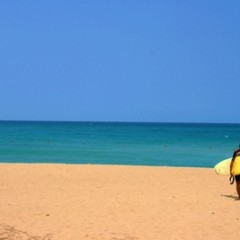
- Hashi beach Hashi beach is a very popular beach in the Iwami region. This beach is located in Iwami Seaside Park. From Aquas,...(read more)
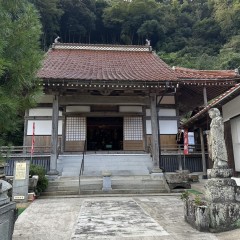
- Ryougonji Temple (Iwami 33 Temple Pilgrimage) Ryougonji Temple (written 楞厳寺 in Japanese) is the 27th on the Iwami 33 Temple Pilgrimage. It’s located in Yunotsu ...(read more)
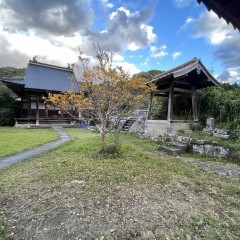
- Kanzeonji Temple (Iwami 33 Temple Pilgrimage) The original Kanzeonji Temple burned down in 1800 in a fire which destroyed most of the town. However, itwas recon...(read more)
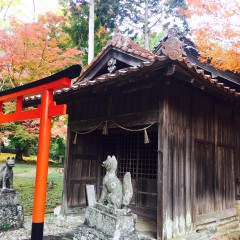
- Kigami Shrine Looking for love in Iwami? The god of Kigami shrine known as Okuninushi-no-mikoto is the very same as the god of marriag...(read more)
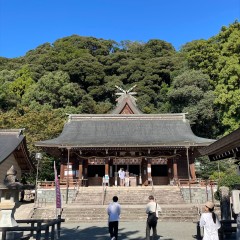
- Mononobe Shrine IwamiIchinomiya Mononobe Shrine has been revered since ancient times for itsdeity of both academics and mart...(read more)
![IMG_7942[1]](http://www.iwami-travelguide.com/wordpress/wp-content/uploads/2023/11/IMG_79421-240x240.jpg)
- Shogenji Temple (Iwami 33 Temple Pilgrimage) If you enjoy visiting temples, Iwami has a 33 temple pilgrimage route that you can follow. Shogenji Temple is one ...(read more)
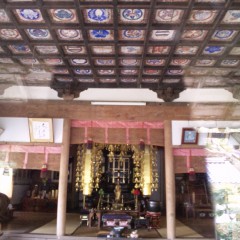
- Seisui Temple Seisui temple ( 清水寺 ) It takes about 30min by foot from Omori bus stop. TEL:0854-89-0129 Seisui te...(read more)
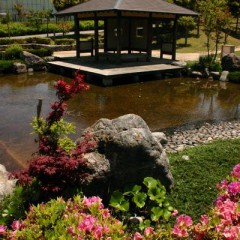
- Manyo Park This park is called Manyo Park. Hitomaro Kakinomoto (柿本人麻呂) who is famous poet around 700 A.D. wrote many poems and thes...(read more)
World Heritage
Iwami boasts both a World Heritage site in the Iwami Silver Mine and an intangible asset, Sekishu hand-made paper.
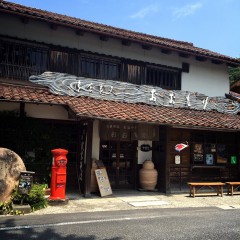
- Omori Omori is a traditional noodle restaurant in Iwami Silver Mine. There's a retro feel to the building, with its old-fa...(read more)
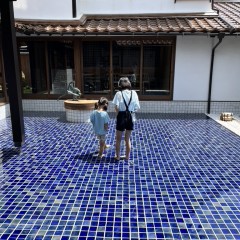
- Iwami Ginzan Library This beautiful building is Iwami Ginzan Library, our university's satellite campus in Iwami Ginzan. This library ...(read more)
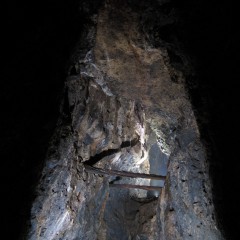
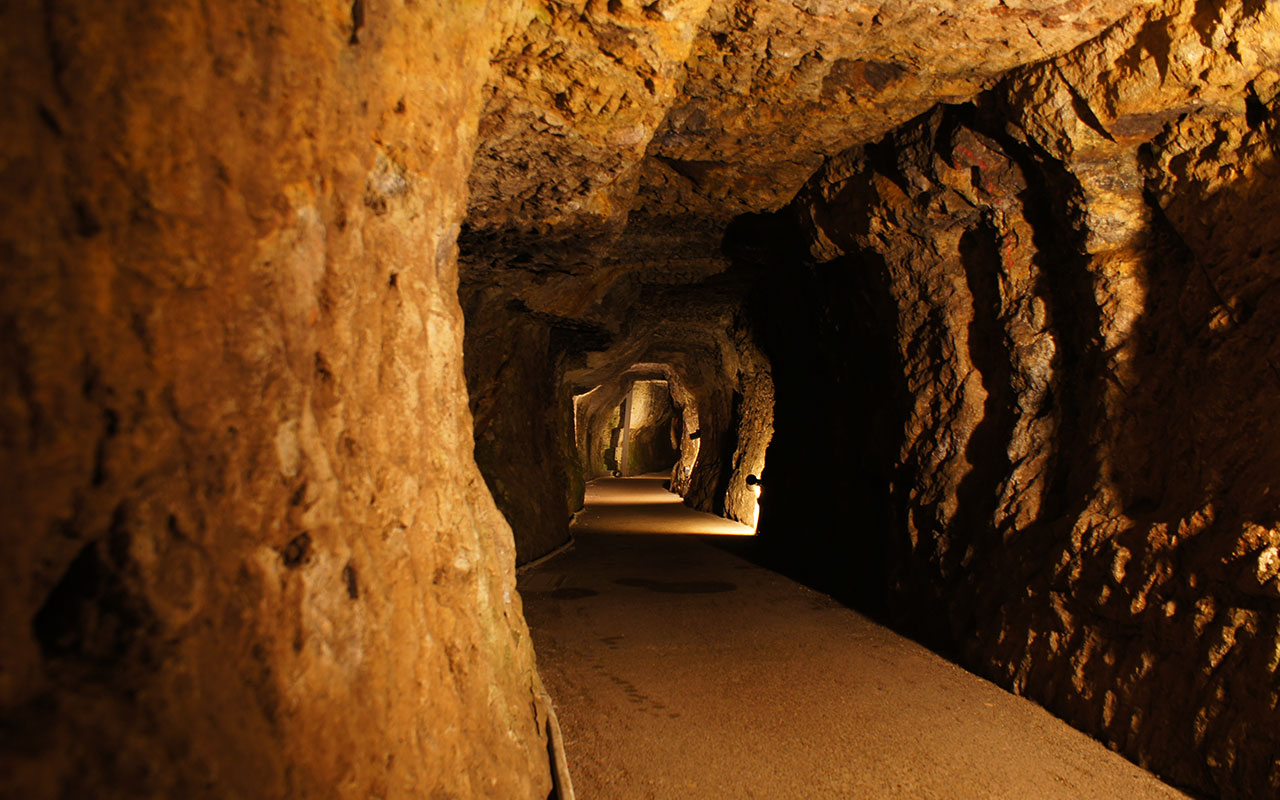
- Okubo Mabu Mine Shaft Tour Although there are at least 600 entrances to the silver mine, only a few are open to the public. Tours to the Okubu min...(read more)
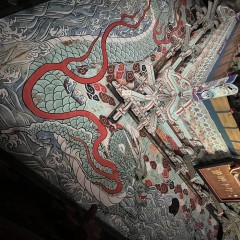
- Takanoji Temple ( Iwami 33 Temple Pilgrimage) If you enjoy walking, we recommend Takano temple, about 20 minutes by taxi from Yunotsu station in Iwami region. The mai...(read more)

- Enpukuji Temple (Iwami 33 Temple Pilgrimage) If you want to see a visual representation of the last judgement, you should visit Enpuku-ji temple in Ohda, Iwami regio...(read more)
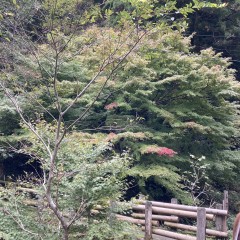
- Jinguji (Iwami 33 Temple Pilgrimage) This quiet place surrounded by many trees is the original location of Jinguji tmple.It is located across a small b...(read more)
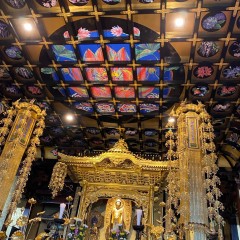
- Iwami 33 Temple Pigrimage Have you ever heard a pilgrimage to the Iwami Kannon 33 Temples Pilgrimage? All the temples are located in Iwami region ...(read more)
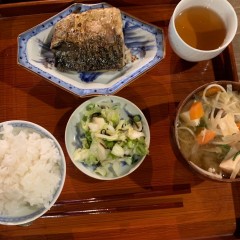
- Cooking Experience at Kumagai House Visitors to Iwami Ginzan canexperience Japanese traditional cooking in the kitchen ofKumagai Family House. T...(read more)
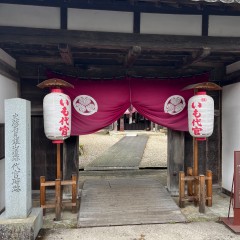
- Imodaikan Museum (Iwami Ginzan Silver Mine Museum) The Imodaikan Museum (Iwami Ginzan Silvermine Museum) exhibits historical records, mine records and mineral specimens. T...(read more)
- Hidden Gem in Iwami Region In one corner of peaceful Oda City, you’ll find a hidden gem: Oni-Iwa Rock. Away from the noise of busy town, this...(read more)
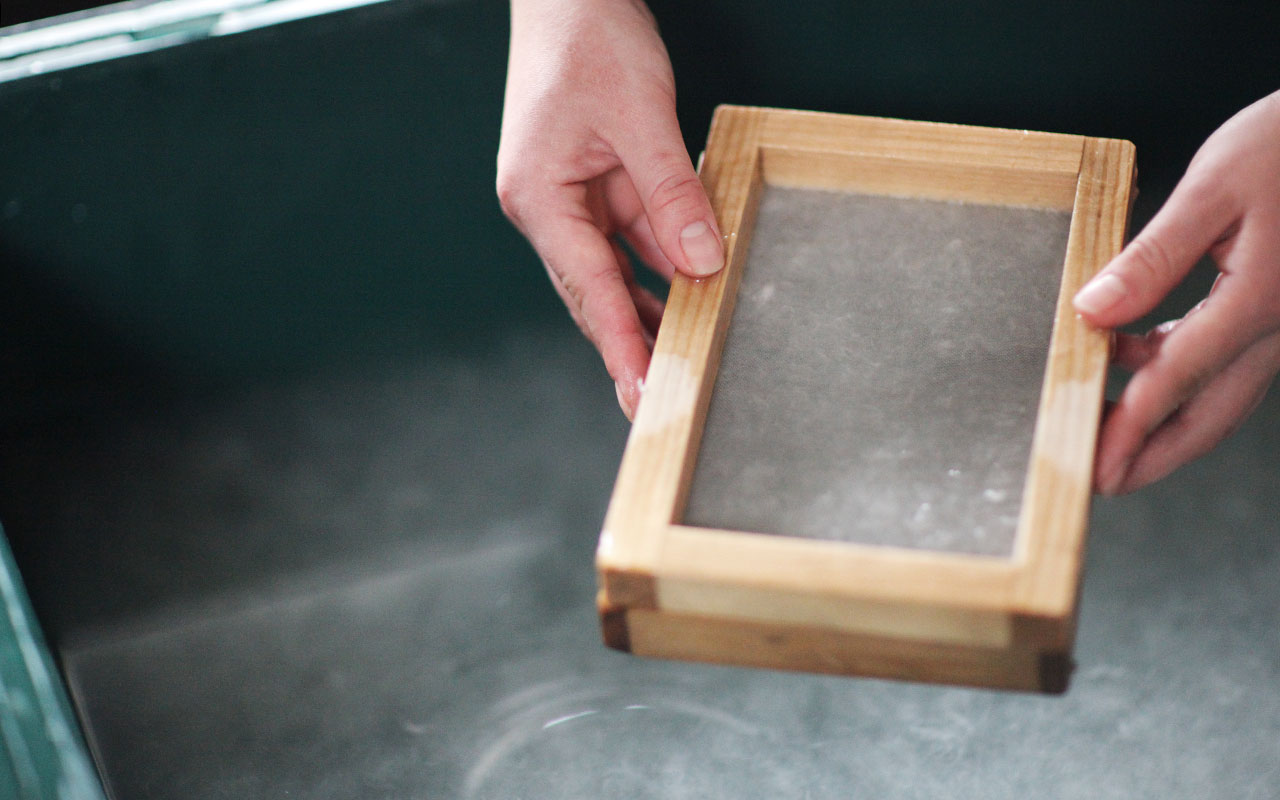
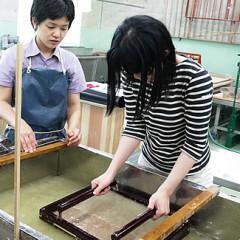
- Kazenokuni ( paper making experience) In Gotsu city, in the town of Sakurae, there is a nature park and leisure facilities called Kazenokuni. The Kazenokuni c...(read more)